How Multi-Layer Polyurethane Cavity Infill Eliminates Panel Rattles on High-Wind Garage Doors
The Physics of Diaphragm Resonance in Hollow Steel Sections
To understand why standard garage doors create so much noise under wind pressure, you must analyze a mechanical phenomenon known as diaphragm resonance. Standard builders-grade garage door sections are constructed from thin sheets of stamped roll-formed steel wrapped around an empty internal frame. When high-velocity wind flows across this large, unsupported surface area, the thin steel skin acts exactly like a giant drumhead, flexing inward and outward at high frequencies. This continuous oil-canning effect creates loud popping and vibrating sounds that travel directly up the track anchors, vibrating the home's drywall and framing.
The Material Science of Pressure-Injected Polyurethane Foam
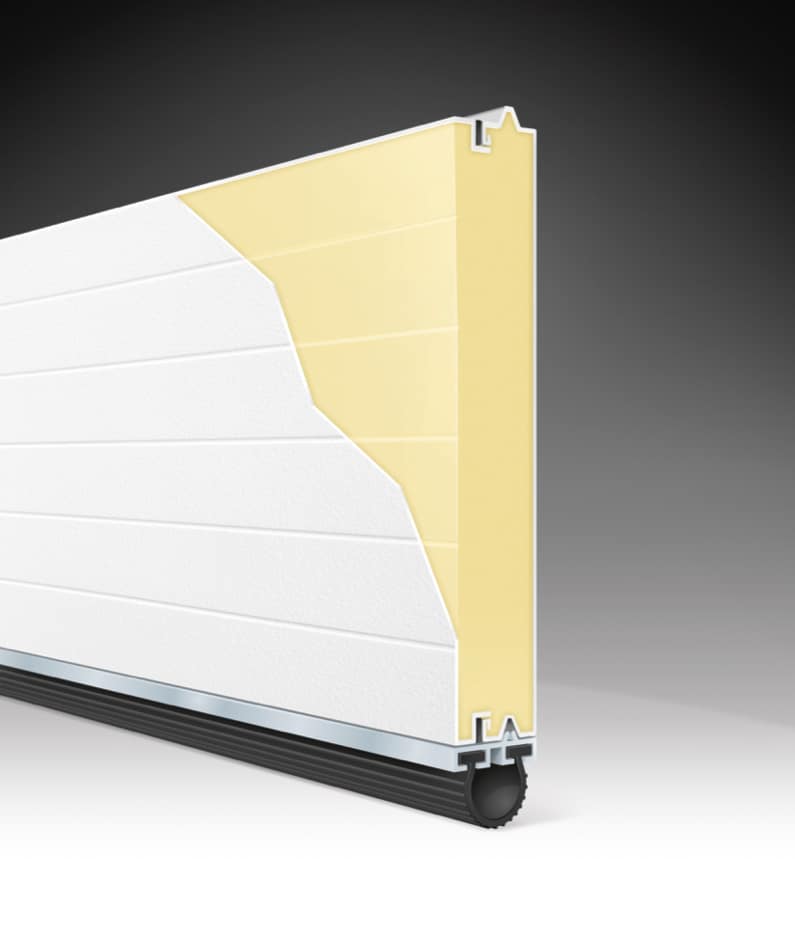
Upgrading your entry threshold with a multi-layer polyurethane infill completely alters the physical characteristics of the door sections. Unlike standard polystyrene panels—which utilize loose, pre-cut blocks of styrofoam dropped loosely inside the frame—polyurethane is injected into the panel cavity as a liquid chemical matrix under intense heat and pressure. As the liquid expands into a dense foam, it flows into every microscopic crevice, corner, and structural rib of the steel shell. The foam cures to form an immutable, solid composite sandwich that permanently fuses the front and back steel skins together into a single, high-density unit.
Elevating Sectional Rigidity to Resist Extreme Wind Deflection
The immediate structural byproduct of an injected polyurethane core is a massive spike in localized rigidity, known as flexural strength. By filling the internal air cavity with a dense, microscopic cellular matrix, the panel becomes highly resistant to physical deflection and bending forces. When intense wind gusts strike a polyurethane-insulated door, the outer steel skin can no longer flex or oil-can because it is physically anchored to the dense core material. This immense structural rigidity keeps the entire door flat and true inside its tracks, eliminating the jagged side-to-side rattling and shaking that degrades system hardware during major storms.
Shielding Your Automated Opener from Fluctuating Wind Load Shock
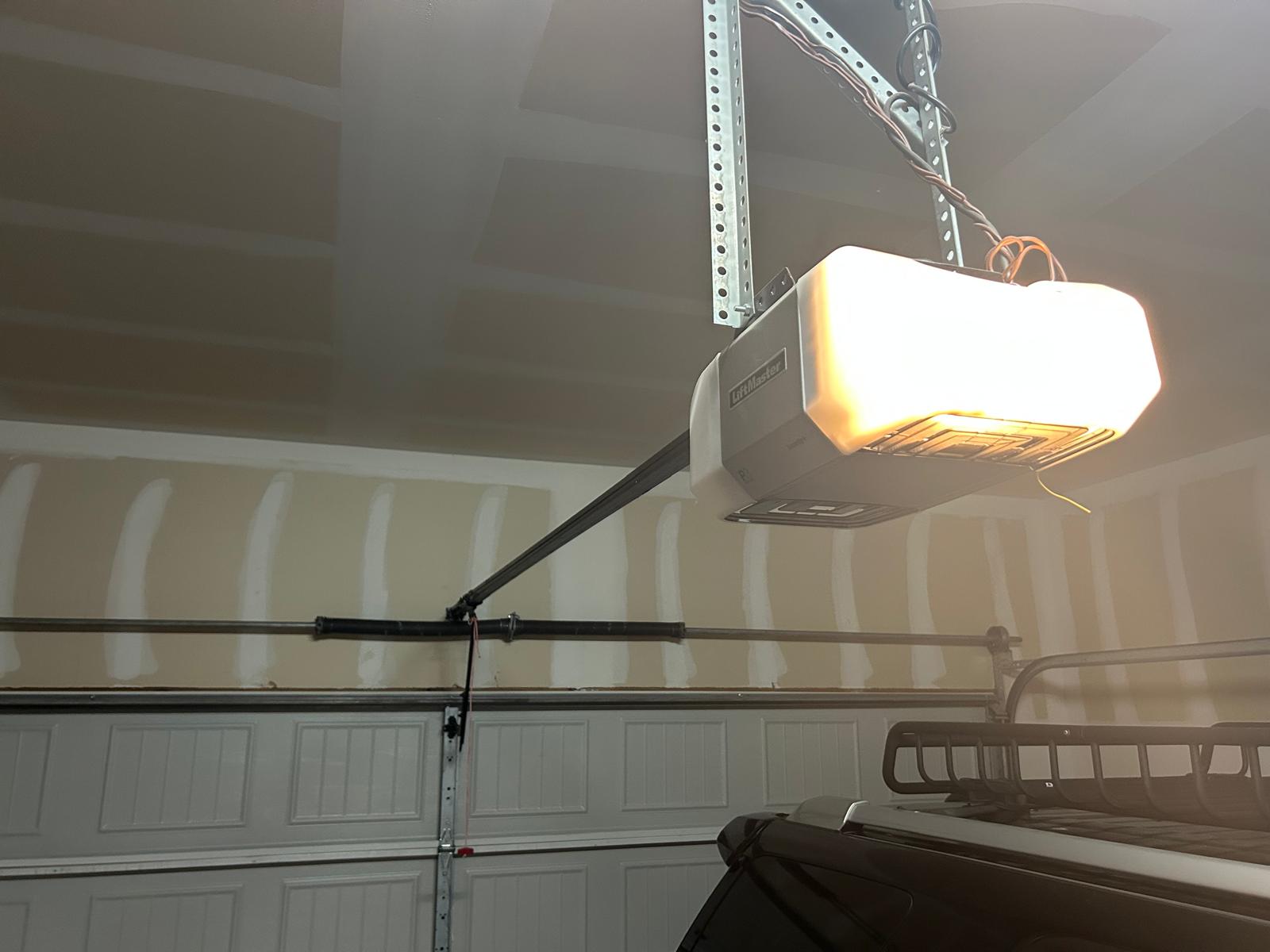
The benefit of eliminating panel flex extends directly to the health of your overhead automatic opener system. When a hollow garage door shudders violently under wind pressure, that erratic kinetic energy travels straight through the lifting cables, rollers, and top fixtures, sending sudden shock loads down the opener's center rail to the motor chassis. These persistent, micro-impact vibrations rapidly loosen mounting brackets, strip internal nylon drive gears, and can cause sensitive digital control boards to experience premature component failures. A rigid, polyurethane-infused door dampens these vibrations at the threshold, protecting your automated assets.
Maximizing Sound Isolation for Multi-Purpose Garage Spaces
Beyond stopping wind-induced clatter, a pressure-injected polyurethane core acts as an exceptional acoustic insulator, boasting a high Sound Transmission Class (STC) rating. If you utilize your garage as a home office, a martial arts workshop, or a dedicated fitness zone, blocking out external neighborhood noise—such as traffic, lawnmowers, and howling storms—is essential for daily comfort. The dense polymer core functions as a physical sound dampener that absorbs airborne acoustic waves, sealing your property's perimeter envelope to create a peaceful, climate-regulated space that enhances your home's long-term utility and value.