How Precision Bottom-Corner Brackets Shield High-Tension Garage Cables from Micro-Slippage
The Dynamics of Extreme Counter-Balance Tension Load
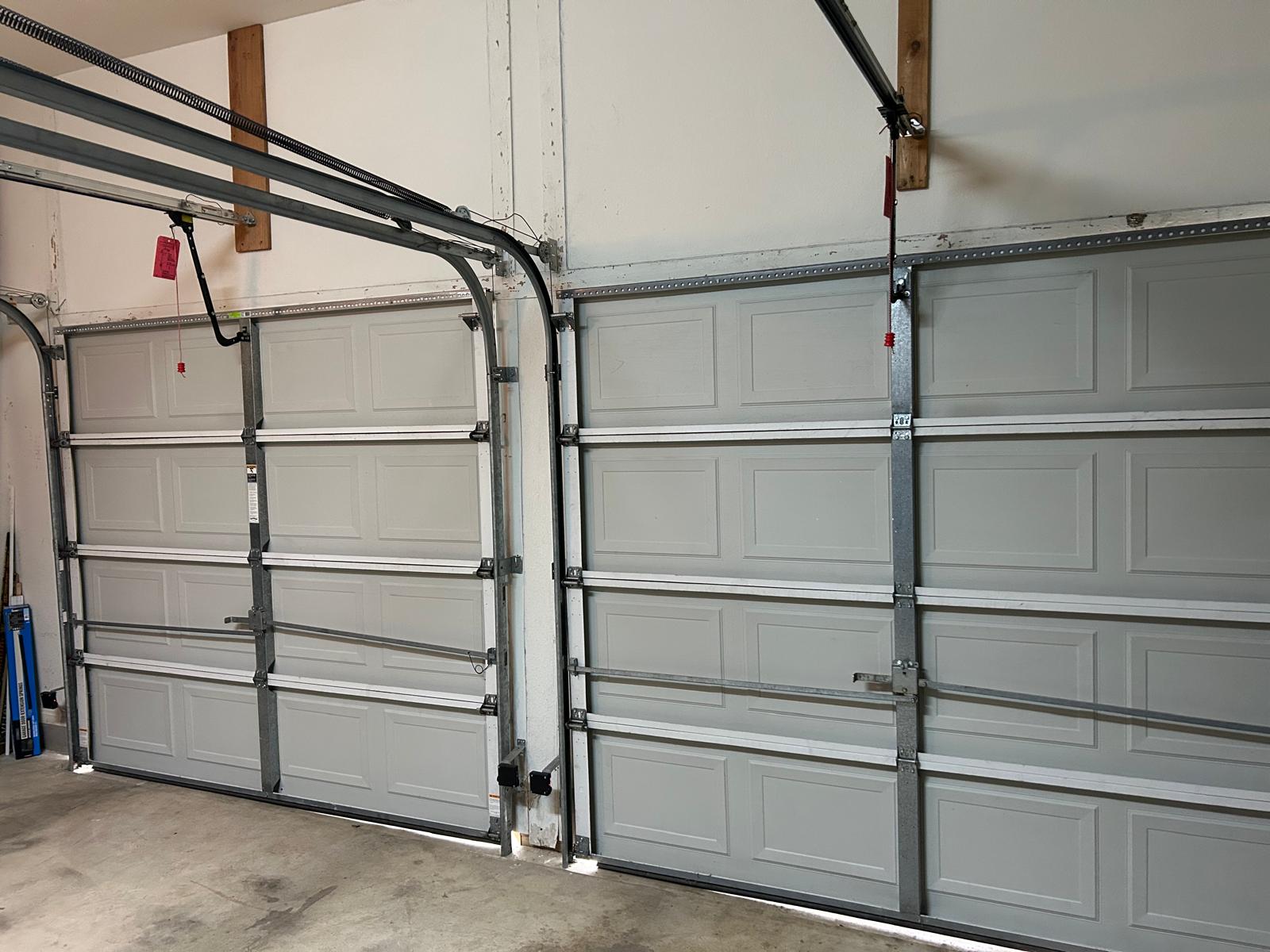
To understand the vital role of bottom-corner brackets, you must look at the intense physical forces acting on an automated garage threshold. When the door is in its fully closed vertical position, the overhead torsion springs are wound tightly, storing maximum mechanical energy. This energy is pulled taut through the lifting cables, which exert hundreds of pounds of continuous upward force directly on the bottom bracket anchor pins. If these brackets are manufactured from thin builders-grade metal, the steel plate will gradually bend and flex under the strain of daily cycling, throwing the lift cables out of their precise vertical alignment path.
The Hidden Creep of Micro-Slippage and Cable Fraying
When a lower corner bracket flexes or slips out of place due to loose fastening hardware, it creates a minute alteration in the cable’s path of travel. As the automated door opens and closes, this misalignment causes the high-tensile steel strands to rub continuously against the edge of the tracking rail or the bracket housing itself. Over months of operation, this abrasive friction scrapes away the protective zinc galvanization, exposing the underlying steel wires to moisture and rapid oxidation. Individual outer strands begin to fracture and unravel—a progressive degradation that destroys the cable's load capacity and creates an imminent risk of a sudden break.
Eliminating Catastrophic Track Jams and Asymmetric Panel Drop
When a high-tension cable slips completely off its anchor pin or snaps under load, the mechanical failure is immediate and dangerous. Because all lifting power vanishes on one side of the door, the overhead torsion spring instantly dumps its remaining energy into the opposite side. The heavy door panels drop violently at an angle, twisting sideways within the vertical rails and jamming the tracking rollers tightly into the tracking channels. This violent twisting warps the structural tracks, tears out wall anchors, and completely strips the internal nylon drive gears of your automatic opener motor, causing a costly repair emergency.
Upgrading to Commercial-Grade, Tamper-Resistant Safety Brackets
Standard builders-grade doors are often fitted with basic stamped plates that offer minimal defense against high-wind loads and persistent moisture. At Interactive Garage Door, we upgrade residential thresholds by installing commercial-grade, hot-dipped galvanized or industrial stainless steel bottom brackets. These heavy-duty variants feature thicker steel walls that completely resist bending under extreme load. Furthermore, premium safety brackets are engineered with specialized tamper-resistant configurations that prevent the critical cable anchor bolts from being loosened accidentally, keeping your primary structural lifting connection rock-solid.
Precision Laser Tracking Alignment and Professional Service Protocols
Because bottom-corner brackets are under direct, potentially lethal tension from the overhead counter-balance springs, servicing or replacing this hardware is an advanced mechanical task that should never be attempted as a DIY project. Loosening a bracket bolt while the spring is wound can cause the metal plate to tear away with explosive force. A certified service technician handles this process safely by pinning the torsion shaft to fully isolate the spring forces. Every bracket is meticulously aligned using digital transit lasers to guarantee a perfectly straight line of cable travel, ensuring smooth, whisper-quiet performance for your home.