How Premium Insulation in Modern Garage Doors Lowers Household Energy Bills
The Mechanics of Thermal Transfer and R-Value Efficiency
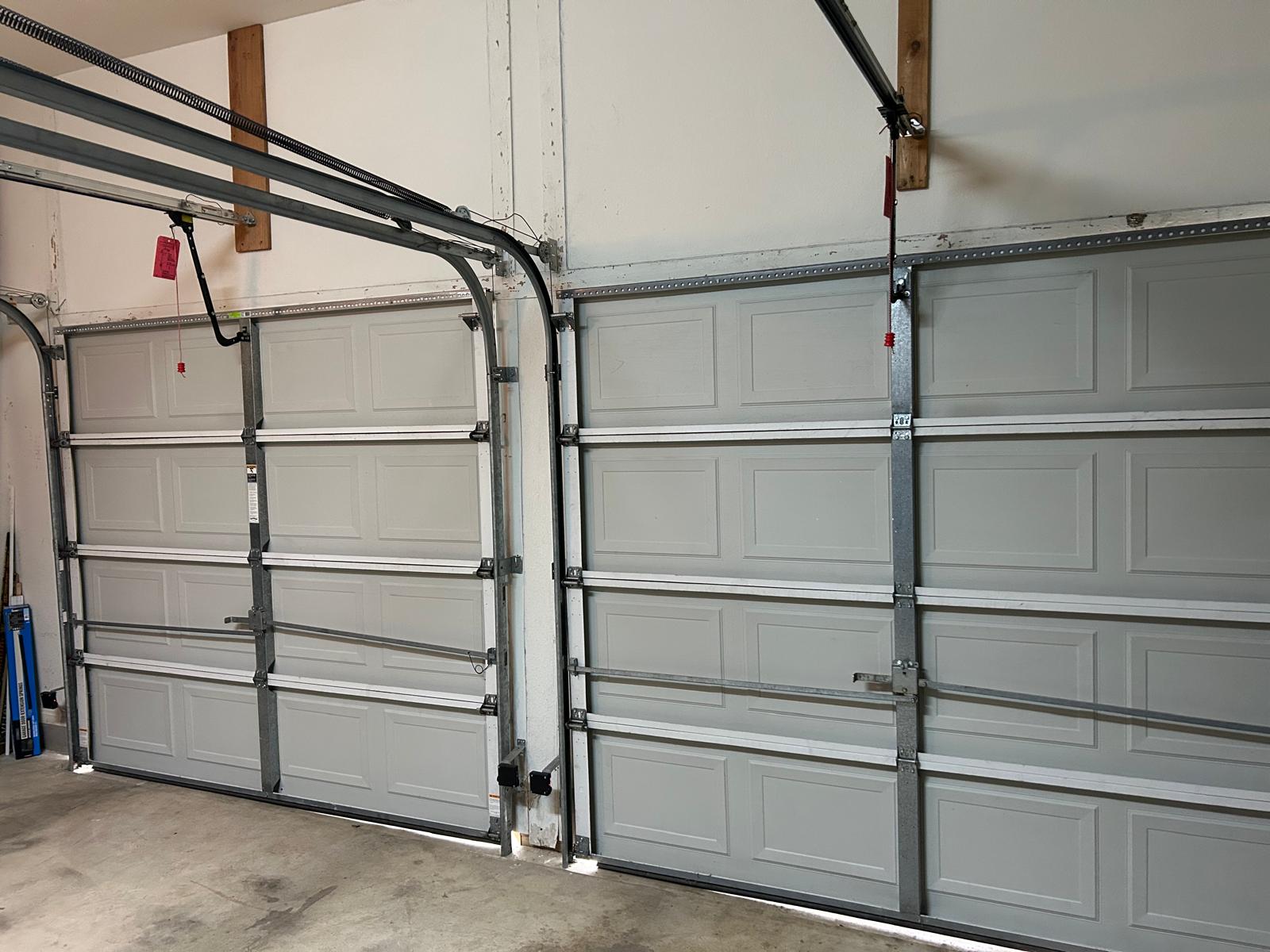
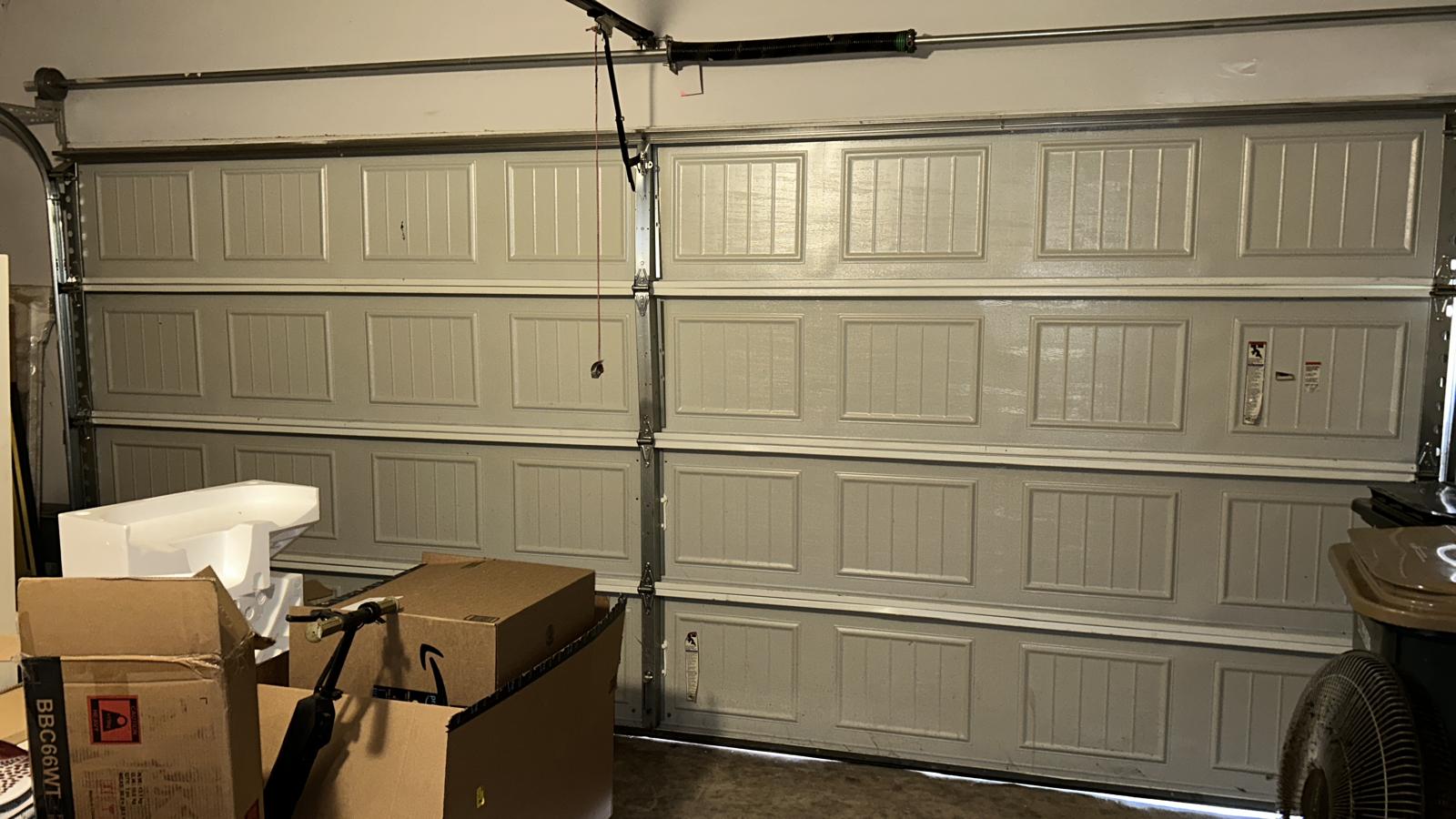
To understand how an upgraded garage door stops energy loss, you must look at its R-value, which measures a material's thermal resistance to heat flow. The higher the R-value, the better the door is at preventing heat from escaping in the winter and entering during the summer. Standard, uninsulated garage doors have an R-value close to zero, meaning heat passes through them almost instantly. Premium doors feature multi-layer construction engineered with thick, dense cores of expanded polystyrene or injected polyurethane foam sandwiched between heavy-gauge steel skins, achieving exceptional thermal performance.
Injected Polyurethane vs. Polystyrene: The Superior Choice
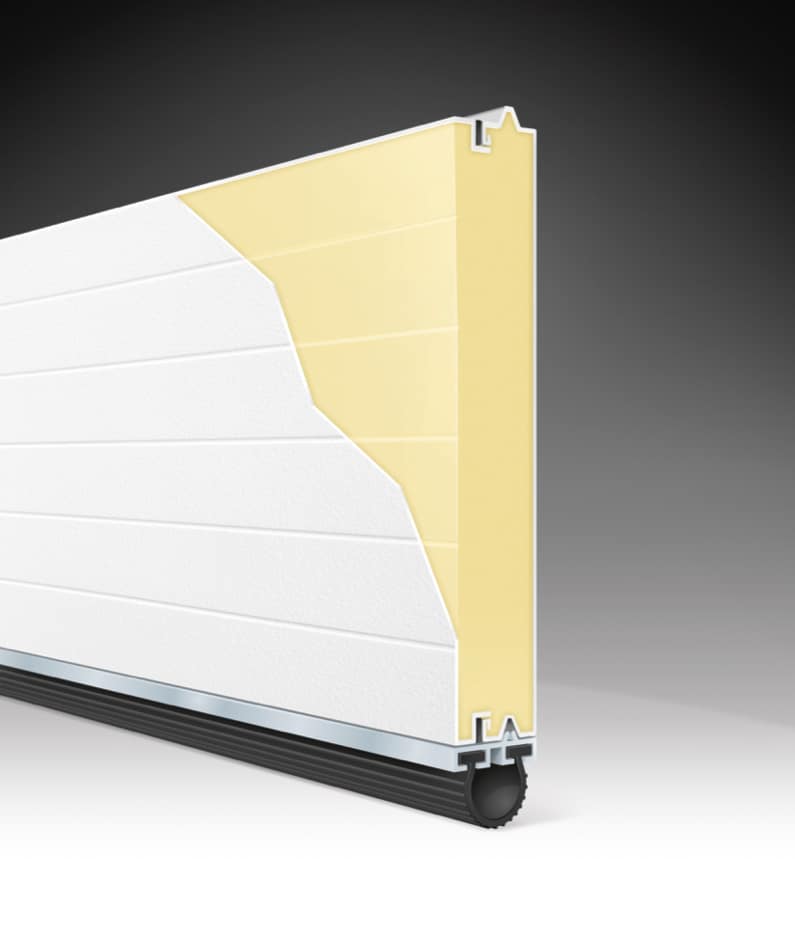
Not all insulation materials are created equal. While polystyrene panels are physically cut and inserted manually into the door sections, injected polyurethane represents a massive leap forward in thermal technology. Polyurethane foam is injected as a liquid directly into the steel cavity during fabrication, expanding to fill every single microscopic void, corner, and internal rib. This creates a dense, solid composite structure that provides twice the thermal resistance of polystyrene per inch. Beyond superior energy efficiency, this dense foam core dampens external street noise and reinforces the door panels, making them highly resistant to accidental dents and physical impacts.
Protecting the Thermal Envelope of Shared Interior Walls
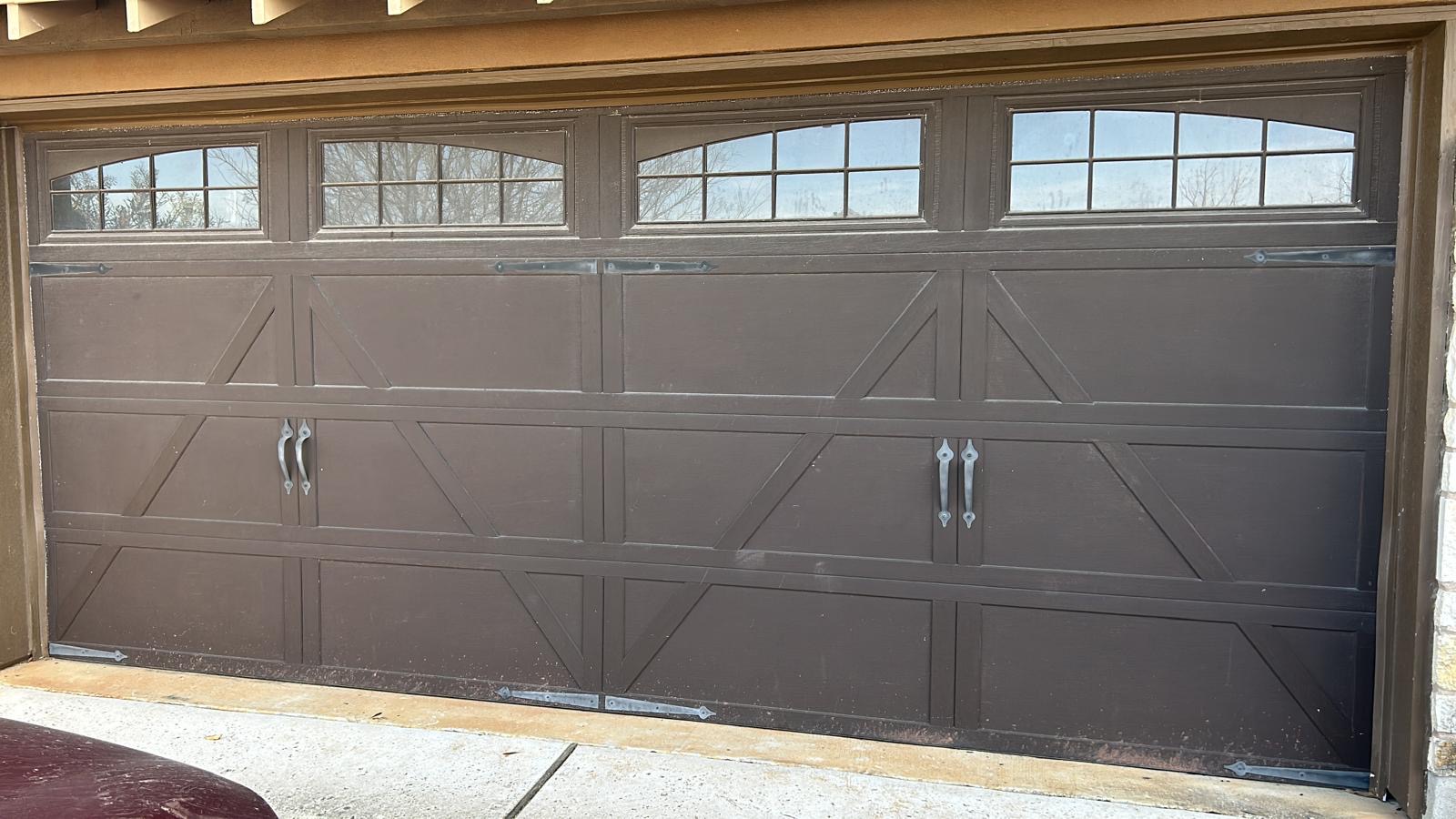
If your home features an attached garage with a bedroom or living space directly above or adjacent to it, an uninsulated door creates a continuous thermal drain. The floorboards above an uninsulated garage can drop to near-outdoor temperatures in the winter, making the living space above feel perennially drafty and cold. By installing a premium insulated garage door, you raise the baseline temperature of the garage interior by as much as 20 degrees during extreme weather. This structural buffer drastically reduces the workload on your home heating and cooling systems, translating directly into lower monthly electricity and gas bills.
The Overlooked Benefit: Extending HVAC and Appliance Lifespans
The financial savings of an insulated garage door extend far beyond your immediate utility statement. Many homeowners utilize their garages to store secondary refrigerators, deep freezers, or laundry appliances. When the garage environment reaches scorching temperatures in the summer, these appliances must cycle constantly to maintain their internal settings, accelerating mechanical wear and causing premature compressor failure. Furthermore, by stabilizing the temperature of the air surrounding your home's main interior entry doors, you prevent your central HVAC system from short-cycling, extending the functional lifespan of your heating and air conditioning units.
Sealing the Perimeter: Sectional Gaskets and Bottom Seals
Insulation material within the panels is only half the battle; air infiltration around the edges of the door can completely ruin a system's thermal efficiency. High-end garage door installations incorporate heavy-duty, marine-grade vinyl perimeter weatherstripping along the top and side jambs, alongside a flexible U-shaped bottom rubber seal that conforms flawlessly to irregularities in the concrete floor. This comprehensive weather-seal envelope blocks driving rain, eliminates drafts, and prevents pests or blowing winter debris from penetrating the garage space, ensuring your home's envelope remains completely secure.