How Ultra-Quiet Belt-Drive Openers Upgrade Comfort in Homes with Living Spaces Above the Garage
The Engineering Flaws Behind Legacy Chain-Drive Noise
To understand why older garage door openers create so much disruptive noise, you have to look at the physics of their construction. Standard chain-drive systems utilize a heavy, multi-link steel chain running along a steel T-rail to pull the door up and push it down. As the motor spins, metal links continuously clatter, grind, and slap against the metal track guide. This intense metal-on-metal friction creates high-frequency acoustic waves and low-frequency vibrations that travel directly up the structural framing anchors, passing right through drywall and vibrating the joists of any living spaces directly overhead.
The Science of Steel-Reinforced Rubber Belt Materials
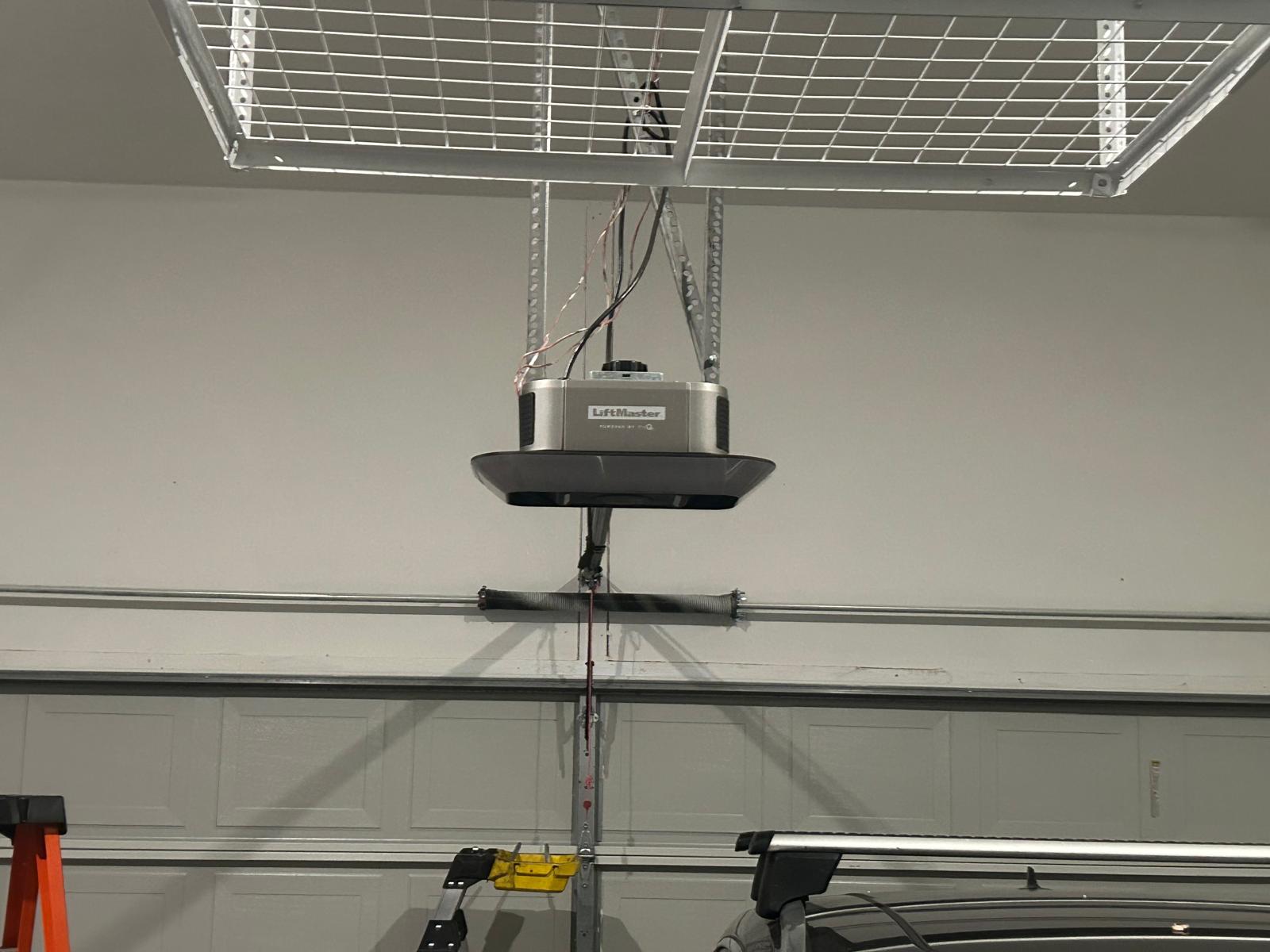
Modern belt-drive openers completely replace the clattering metal chain with a smooth, continuous drive belt molded from heavy-duty synthetic rubber, polyurethane, or neoprene compounds. To guarantee maximum tensile strength and prevent stretching over decades of continuous service, the interior core of the belt is reinforced with flexible, high-tensile steel cords or braided Kevlar strands. Because the flexible rubber teeth of the belt mesh silently with the motor’s drive sprocket, the mechanical operation shifts from a harsh, metal rattle to a smooth, whisper-quiet glide that registers significantly lower decibel counts inside adjacent rooms.
Dampening Vibration Transfer with DC Motor Technology
The physical drive belt is only one piece of the acoustic puzzle; the type of motor spinning inside the chassis plays a massive role in noise reduction. Traditional openers rely on heavy alternating current (AC) motors that turn on with a sudden, jarring physical kick, shaking the entire ceiling mount. Premium belt-drive openers utilize advanced direct current (DC) motors instead. DC motors provide fluid, variable-speed control, enabling a feature known as "soft start and soft stop" logic. The opener starts the lifting cycle slowly, accelerates smoothly through the middle run, and gently slows the door down before it touches the ground, eliminating the slamming noises that rattle walls.
Selecting the Right Roller Upgrades for Absolute Silence
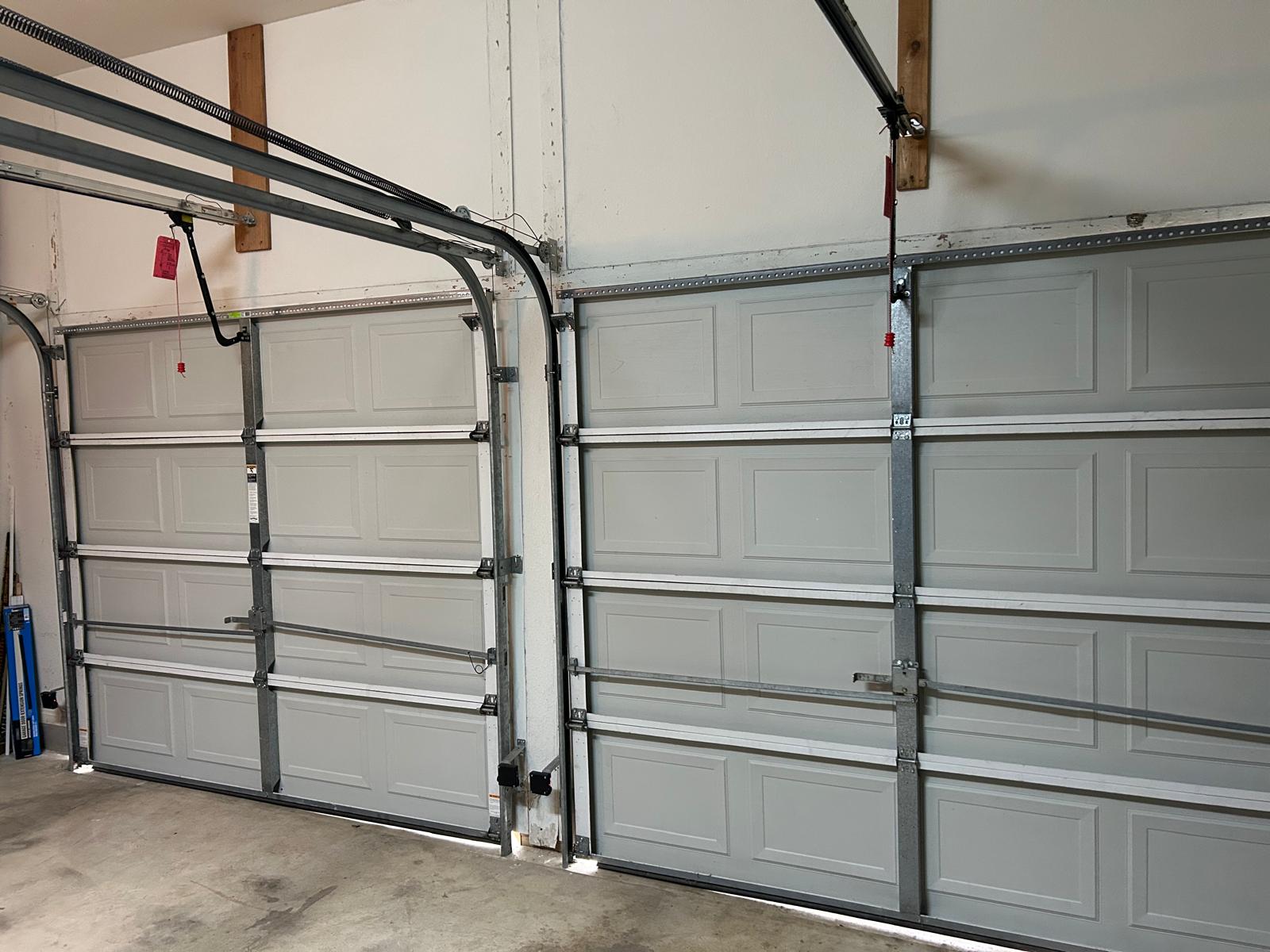
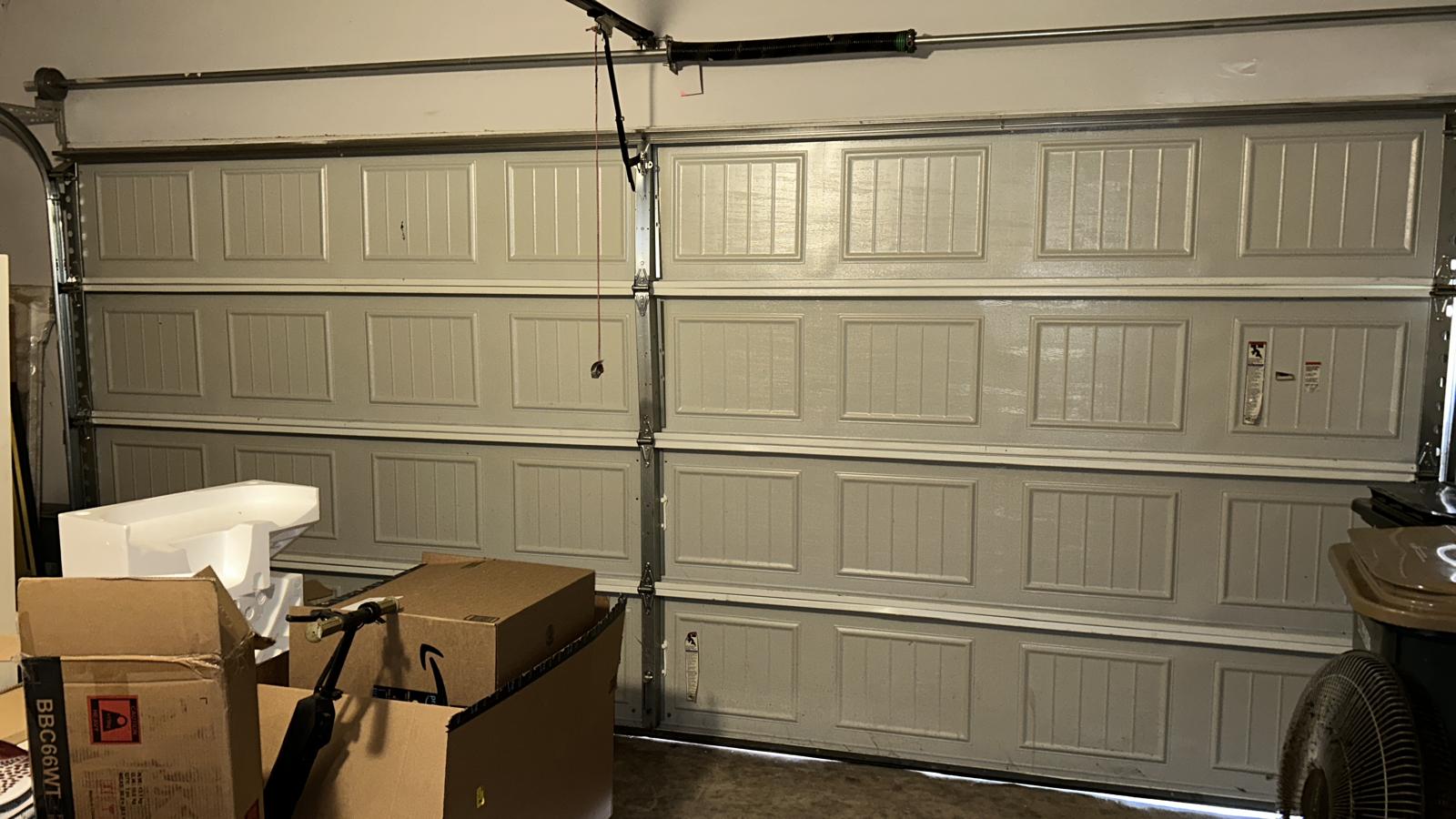
While upgrading to a belt-drive operator cuts out the majority of motor and rail noise, a heavy garage door can still rattle if it is rolling on worn-out hardware. Standard builders-grade steel rollers have unsealed ball bearings that grind and pop inside the tracks over time. To achieve absolute acoustic harmony with your new belt-drive system, it is highly recommended to pair the installation with heavy-duty, precision nylon rollers. Nylon rollers glide down the steel track channels with minimal friction, dampening rolling resonance and acting as physical shock absorbers to yield an incredibly quiet cycle.
Boosting Resale Value and Enhancing Smart Home Integration
Investing in a premium belt-drive system upgrades your daily household tranquility while simultaneously boosting your property's long-term value. Modern belt-drive units come standard with integrated Wi-Fi connectivity, enabling real-time smartphone control, rolling security codes, and bright, energy-efficient LED corner-to-corner lighting arrays. Prospective homebuyers immediately recognize the premium upgrade of a quiet, smart garage space, especially in modern multi-story architectural layouts where maximizing quiet zone boundaries between living spaces and utility zones is essential for daily household comfort.